




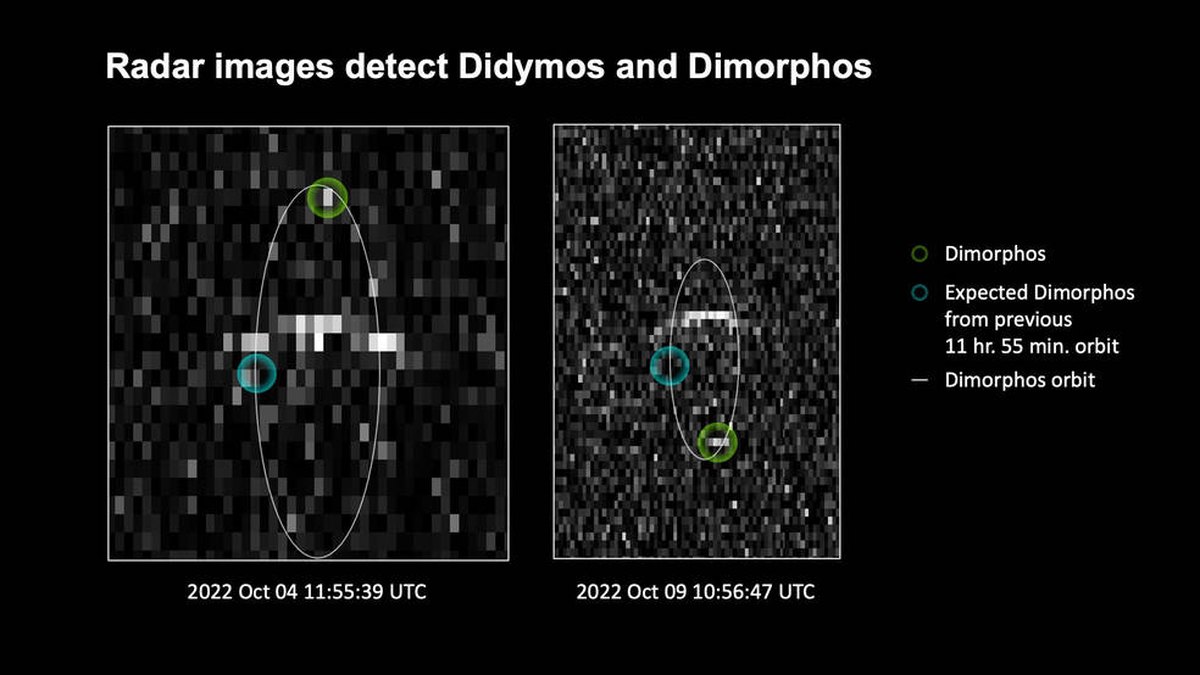
Hera just dropped the first Dimorphos close‑up images, and they're blowing our minds.
After a two‑year trek across the solar system, ESA's Hera probe has finally reached the Didymos binary system and is beaming back unprecedented pictures of the tiny moonlet Dimorphos. The live stream, which kicked off at 1:45 p.m. ET on Nov 25, shows the scar left by NASA's 2022 DART kinetic impactor – a historic first in planetary defence.
Scientists are already buzzing. The DART test shortened Dimorphos' orbit by just over 30 minutes, proving that a high‑speed crash can nudge an asteroid off a collision course with Earth. Now Hera is set to study the impact crater up close, measuring the asteroid's mass, composition and how it responded to the blast.
Why Dimorphos close‑up images matter
“ESA's Hera mission has arrived to learn the answers we need to know,” said mission principal investigator Patrick Michel in an ESA statement. “How did the impact change Dimorphos? What is the mass of the asteroid and which of its properties explain its response to DART impact?” Those questions drive a whole new era of asteroid research.
The images already released include a breathtaking double‑asteroid eclipse, with Dimorphos casting a tiny shadow on its larger companion Didymos. It's the first time humanity has seen a binary asteroid system in such detail, and the footage is already feeding into models that could one day protect us from a real‑world threat.
Inside the crater: What Hera will uncover
Hera will circle Dimorphos for months, deploying cubesats equipped with visible‑light, infrared and radar instruments. By mapping the crater's depth, shape and ejecta, scientists hope to refine the physics of kinetic impacts.
“Through many years of hard work our international collaboration managed to do just that, and for the very highest of intentions: to help make Earth safer,” mission manager Ian Carnelli told reporters. The data could tell us how much force is needed to deflect a rogue rock the size of the one that wiped out the dinosaurs 66 million years ago.
From launch to lunar flyby: Hera's journey
Hera lifted off on Oct 7, 2024 atop a SpaceX Falcon 9 from Cape Canaveral. En route, it performed a quick stop‑over of Mars, snapping shots of Deimos – the Red Planet's tiny moon – before heading toward the Didymos system.
Now that it's in position, the spacecraft will begin a detailed survey of both bodies. The mission's cubesats will continue the work after Hera departs, ensuring a long‑term record of the asteroid's evolution.
What's next for planetary defence?
- Analyze crater morphology to improve impact‑modelling.
- Determine Dimorphos' internal structure and density.
- Test radar techniques for future deflection missions.
- Share findings with global space agencies for coordinated response plans.
Every new detail brings us closer to a reliable playbook for deflecting hazardous asteroids, turning science fiction into a viable safety net.
Fans and scientists watch the livestream together
The live feed is open to anyone with an internet connection. Thousands tuned in as the first Dimorphos close‑up images flickered onto screens worldwide, sparking a wave of excitement that blends the awe of space exploration with the practical urgency of planetary defence.
With each new frame, the community gains a clearer picture of how a small, rubble‑pile moonlet reacts to a deliberate smash‑up – knowledge that could one day protect our planet from a similar fate.
Stay tuned for updates as Hera continues its mission, and keep an eye on the next set of images that will dive even deeper into the crater's secrets.
If you have any health concerns related to space travel or radiation exposure, consult a doctor before making any changes to your routine.
This story draws on reporting by Space.com.
Featured image: NASA/Johns Hopkins APL/JPL/NASA JPL Goldstone Planetary Radar/National Science Foundation's Green Bank Observatory / Wikimedia Commons / Public domain (cropped)